Head-to-head rechargeable camping lantern comparison

BioLite AlpenGlow 500 vs Goal Zero Lighthouse 600

The Goal Zero Lighthouse 600 is the better rechargeable camping lantern for most campsite and outage kits because it gives you 600 lumens, two-sided white light, collapsible legs, USB or solar recharge, a hand-crank fallback, and the longest low-power runtime in this head-to-head. The BioLite AlpenGlow 500 is the better alternative if you want the lighter lantern, colorful ambience modes, IPX4 splash resistance, high color rendering, and a smaller shape for tables, tents, and backyard use.

As an Amazon Associate, Worth Adding earns from qualifying purchases. We may earn a commission if you buy through our links.

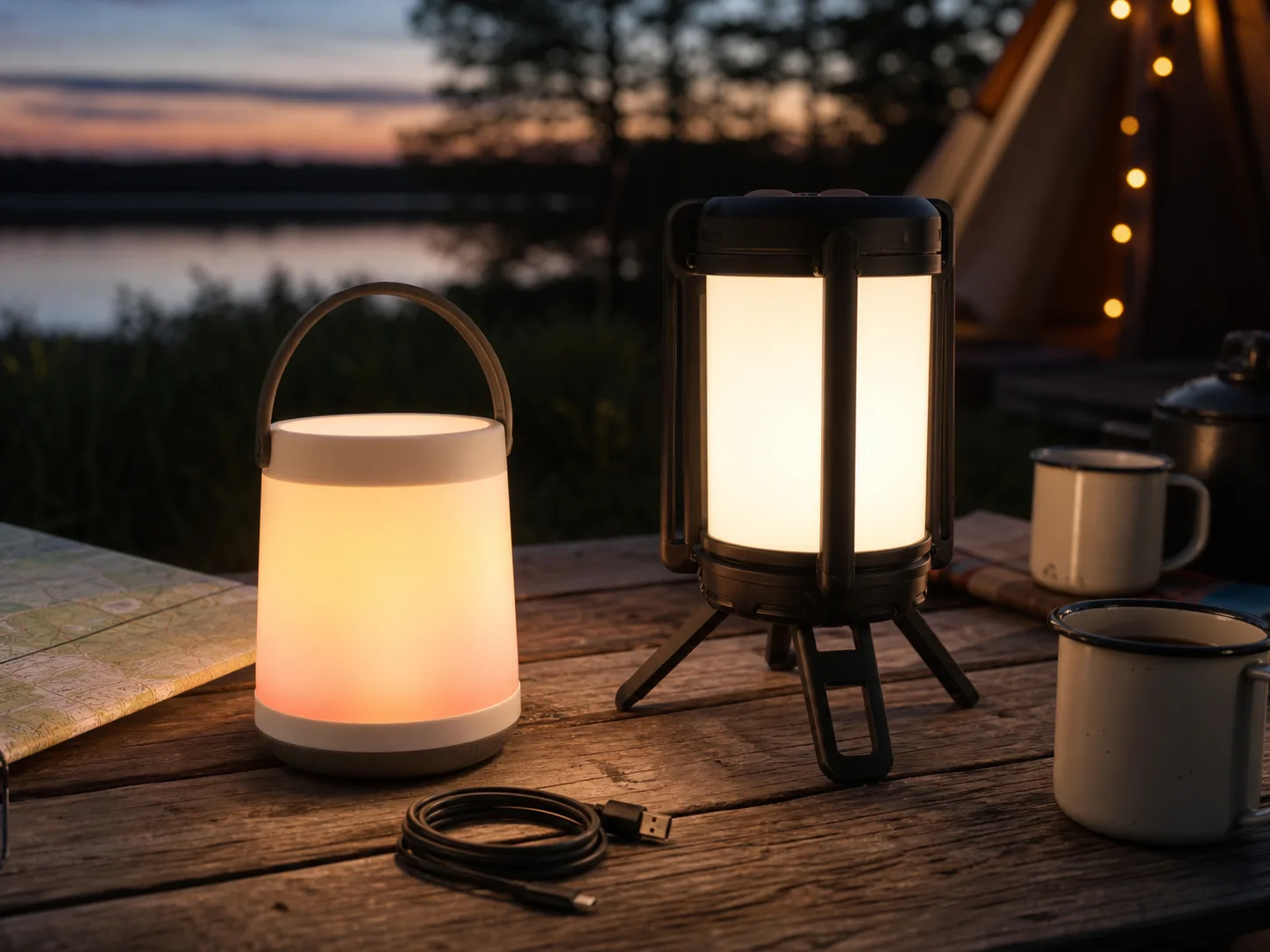
Two unbranded rechargeable camping lanterns glowing on a wooden picnic table at dusk with a USB cable, camp map, enamel mugs, and soft campsite lights for the BioLite AlpenGlow 500 vs Goal Zero Lighthouse 600 comparison
Last checked
Winner Goal Zero Lighthouse 600
Lighter ambience option BioLite AlpenGlow 500
Verdict

Which one should most people buy?

Choose the Goal Zero if you want a more practical camp table, tent, and power-outage lantern with flexible recharging. Choose the BioLite if you want a lighter, more colorful lantern for ambience, cooking color accuracy, and small-group camp use.

Buy the Lighthouse 600 unless color ambience and lower weight matter more.

The Lighthouse 600 wins because it solves more real campsite and outage jobs. It stands on its own legs, hangs from a built-in handle, lights one side or both sides, can recharge from USB or a compatible Goal Zero solar panel, and has a crank fallback for low-light emergencies.

The AlpenGlow 500 is still the right pick for shoppers who care about atmosphere and portability. BioLite lists a 13.4 oz body, 500-lumen high output, ChromaReal broad-spectrum LEDs with CRI 90, multiple white and color modes, IPX4 water resistance, and a 6400 mAh battery with USB-A output.

At a glance

The key specs.

Lighter ambience option

BioLite AlpenGlow 500

A compact multicolor camp lantern for shoppers who want warm/cool white light, color modes, high color rendering, IPX4 splash resistance, and a lighter lantern that can still top up a small device.

Max output
500 lumens on high; 5 lumens on low
Battery
6400 mAh, 23.6 Wh Li-ion
Runtime
5 hours on high; up to 200 hours on low; 1 hour reserve power
Lighting modes
Cool white, warm white, single color, multicolor, single-side light, candle flicker, color cycles, party, and fireworks modes
Charging / output
Micro USB input; USB-A 5V/2.4A output
Water resistance
IPX4
Size and weight
5.4 x 3.8 in diameter; 13.4 oz
Best for
Table ambience, tents, backyard dinners, color modes, lighter pack weight, and shoppers who value a softer lantern feel.
Best camp utility pick

Goal Zero Lighthouse 600

A brighter utility lantern for camp kitchens, outage kits, and longer trips where adjustable white light, physical legs, solar/USB charging, USB output, and hand-crank backup matter.

Max output
600 lumens from 2 x 3 W warm white LEDs
Battery
5200 mAh, 18.98 Wh Li-ion NMC
Runtime
2.5 hours with both sides on high; 180 hours both sides on low; 320 hours one side on low
Lighting modes
Adjustable 360-degree light or one-sided light to save power
Charging / output
USB input, compatible solar-panel charging, hand crank, and USB-A 5V up to 1.5A output
Water resistance
Not listed on the official spec section
Size and weight
4.5 x 5 x 6.5 in; 1.1 lb
Best for
Camp kitchens, car camping, power outages, long low-light runtime, tabletop setup, hanging, and backup charging flexibility.
Buyer guide

Choose by lighting job.

Both lanterns can light a campsite and top up a small device, but they solve different jobs. BioLite is the lighter, more atmospheric lantern. Goal Zero is the practical camp and outage tool with more ways to recharge.

BioLite AlpenGlow 500

Buy this if / skip this if

Buy this if
  • You want a lighter 13.4 oz lantern for a picnic table, tent loop, backyard meal, or casual car-camping kit.
  • You care about warm/cool white, color modes, candle-style ambience, and BioLite's listed CRI 90 ChromaReal LED output.
  • You want IPX4 splash resistance and a bigger listed battery capacity than the Goal Zero, while accepting Micro USB charging.
Skip this if
  • You want built-in legs, a hand crank, or a solar-panel recharge path listed by the manufacturer.
  • You need the longest low-power white-light runtime for an outage kit or multi-night camp kitchen.
  • You dislike carrying a Micro USB cable for a new outdoor light.
Goal Zero Lighthouse 600

Buy this if / skip this if

Buy this if
  • You want a utility lantern that can stand, hang, light one side, light both sides, and stretch runtime by reducing output.
  • You are building a car-camping or outage kit and value USB charging, compatible solar charging, and a crank fallback.
  • You want the brighter 600-lumen top output and the longer listed low-power white-light runtime.
Skip this if
  • You want color ambience, red-style mood lighting, or a smaller lantern for table atmosphere.
  • You need the lighter option or plan to pack the lantern where every ounce matters.
  • You need a published water-resistance rating; Goal Zero's official spec section does not list one for the Lighthouse 600.
Runtime

Runtime numbers only make sense with brightness mode attached. Goal Zero's low one-side setting is built for very long utility light; BioLite's 5-hour high and 200-hour low range is better viewed as a bright-to-ambience spread.

Charging

The BioLite has the larger listed battery and stronger USB-A output, but it charges by Micro USB. Goal Zero has more recharge paths, including compatible solar-panel charging and a hand crank for low-output backup.

Physical setup

Lantern shape changes daily use. Goal Zero's legs and one-side lighting help on a camp table or during outages. BioLite's smaller rounded body and color modes make more sense when the lantern is part task light, part ambience.

Before you buy

Check these camping lantern fit points first.

  • Match runtime to the brightness mode you will actually use; high-output runtime can be much shorter than low-output runtime.
  • Confirm your charging cables before the first trip: BioLite lists Micro USB input, while Goal Zero lists USB input and solar compatibility.
  • Do not treat lantern USB output as a full power-bank replacement; both are better for small-device top-ups.
  • Think about placement before brightness: legs, hanging points, one-sided light, and glare control can matter more than maximum lumens inside a tent or at a table.
Side by side

Compare the trade-offs.

The table focuses on manufacturer-published specs that change everyday ownership: light output, runtime, battery, recharge path, USB output, size, weight, water resistance, and campsite fit.

BioLite AlpenGlow 500 vs Goal Zero Lighthouse 600 official spec comparison.
Metric BioLite AlpenGlow 500 Goal Zero Lighthouse 600
Best fit Lighter color-capable lantern for ambience, tent light, backyard meals, and shoppers who want IPX4 splash resistance. WinnerMost campsite and outage kits that need practical white light, long low runtime, legs, hanging, and flexible charging.
Max output500 lumens600 lumens
Low output / low runtime5 lumens; up to 200 hoursOne side lit on low: 320 hours; both sides on low: 180 hours
High runtime5 hours on high2.5 hours both sides on high; 5 hours one side on high
Battery6400 mAh, 23.6 Wh Li-ion5200 mAh, 18.98 Wh Li-ion NMC
Light characterCool white, warm white, single color, multicolor, candle flicker, color cycles, party, and fireworks modes; CRI 90 listed3500K warm white LEDs; adjustable 360-degree or one-sided lighting
Recharge pathMicro USB input; 3-hour listed charge time by 5V/2A Micro USBUSB source in about 6 hours; Nomad 10 solar panel in about 6 hours; hand crank for backup
USB outputUSB-A, 5V/2.4AUSB-A, 5V up to 1.5A, 7.5W max
Water resistanceIPX4Not listed on the official spec section
Size and weight5.4 x 3.8 in diameter; 13.4 oz4.5 x 5 x 6.5 in; 1.1 lb
Main drawbackMicro USB charging, no listed crank or solar recharge path, and less practical physical setup for broad utility light.Heavier, no color modes, lower listed USB output, and no water-resistance rating in the official spec section.
Buyer fit summaryThe AlpenGlow 500 is the lighter, more atmospheric lantern.The Lighthouse 600 is the better all-around camp and outage utility lantern.
How we compared

The criteria behind the pick.

We compared manufacturer-published product pages and spec sections, then weighted the differences that affect real camp and home-outage ownership: light output, runtime by mode, recharge options, battery capacity, USB output, placement, weight, water resistance, and what each lantern is best at. Prices, ratings, review counts, coupons, and availability were intentionally left out because they can change and were not needed for this decision.

Specs checked

Lumens, runtime modes, battery capacity, USB input/output, solar or crank recharge paths, lighting modes, water resistance, dimensions, weight, warranty notes, and included accessories were checked against official materials.

Fit checked

The recommendation favors the lantern that handles the widest set of practical campsite and outage jobs without needing shoppers to buy around avoidable setup limits.

Best fit

Pick Goal Zero for camp utility, long low-output runtime, and backup charging flexibility. Pick BioLite for lighter carry, colorful ambience, IPX4 splash resistance, and stronger listed USB-A output.

Source trail

What the recommendation is based on.

FAQ

Questions before checkout.

Which rechargeable camping lantern is better for most people?

The Goal Zero Lighthouse 600 is the better default if you want a practical white-light camp and outage lantern with 600 lumens, two-sided lighting, collapsible legs, USB/solar/crank recharge options, and very long low-power runtime. The BioLite AlpenGlow 500 is better if you want lighter pack weight, color modes, high color rendering, and a smaller lantern for ambience.

Can either lantern charge a phone?

Both lanterns include USB-A output for small-device charging. BioLite lists 5V/2.4A output from its 6400 mAh battery, while Goal Zero lists 5V up to 1.5A output from its 5200 mAh battery. Treat either one as a top-up source, not a replacement for a dedicated power bank.

Which one has the longer runtime?

Goal Zero lists the longer low-power white-light runtime: 320 hours with one side lit on low and 180 hours with both sides lit on low. BioLite lists up to 200 hours on low and 5 hours on high. Runtime depends heavily on brightness and mode.

Did this comparison use prices or customer ratings?

No. Prices, coupons, ratings, review counts, and availability were left out because they can change quickly and were not needed for this official-spec buying decision.

The Goal Zero Lighthouse 600 is the better buy for most people who want one rechargeable lantern for camp tables, tents, storm kits, and backup charging flexibility.

Goal Zero Lighthouse 600 Better camp utility.
Amazon